Build Your Personal Brand for Career Growth
19 Sept 2026 · CTRLin
In today’s job market, having the right skills is important but it is not always enough.
Two people can have similar qualifications, experience, and technical skills, yet one may receive more opportunities simply because their work and professional identity are easier to recognize.
This is where personal branding comes in.
Your personal brand is the way you present your skills, experience, knowledge, and professional personality to other people. It is what employers, recruiters, clients, and colleagues think of when they see your name or come across your work online.
The good news is that you do not need to be famous or have thousands of followers to build a strong personal brand. You simply need to be consistent, useful, and clear about what you can offer.
In this guide, we'll explore practical ways to build your personal brand and use it to support your career growth.
What Is a Personal Brand?
A personal brand is your professional identity and the impression people develop about you based on your skills, work, communication, and online presence.
Think about what you want someone to say about you when your name comes up in a professional conversation.
For example:
- "She's an excellent UI designer."
- "He's very good at solving backend problems."
- "She knows a lot about digital marketing."
- "He's the person to contact for Laravel development."
These associations are part of your personal brand.
Your personal brand is not about pretending to be someone you're not. It is about clearly communicating your genuine strengths and the type of work you want to be known for.
Why Personal Branding Matters for Career Growth
A strong personal brand can make it easier for people to understand your professional value.
1. It Helps You Stand Out
Recruiters and employers may review dozens or even hundreds of candidates for a position.
A clear professional identity can help you stand apart from candidates who simply list their qualifications.
Instead of only saying:
"I am a web developer."
You could communicate something more specific:
"I build scalable Laravel applications and e-commerce platforms for growing businesses."
The second statement gives people a much clearer idea of your expertise.
2. It Builds Professional Credibility
Sharing useful knowledge, projects, experiences, and achievements can demonstrate your expertise.
For example, a developer might share:
- Solutions to common programming problems
- Lessons learned from a project
- Open-source contributions
- Technical articles
- Case studies
- Useful development tips
Over time, this can help establish credibility within your field.
3. It Can Create New Opportunities
Not every career opportunity comes from applying for a job.
A recruiter may discover your LinkedIn profile. A potential client may find your portfolio through Google. Someone in your professional network may recommend you for a position.
The more clearly your skills are presented online, the easier it becomes for opportunities to find you.
4. It Helps You Build a Professional Network
Personal branding is not only about posting content.
It is also about participating in your professional community.
Comment on relevant discussions, share useful resources, connect with people in your industry, and contribute when you have something valuable to add.
Relationships built over time can become an important part of career growth.
How to Build Your Personal Brand
Building a personal brand does not have to be complicated. Start with the basics and improve gradually.
1. Define What You Want to Be Known For
Before creating content or updating your profiles, decide what you want your professional identity to communicate.
Ask yourself:
- What are my strongest skills?
- What type of work do I enjoy?
- What problems can I solve?
- What industries do I understand?
- What kind of opportunities am I looking for?
- What do I want people to associate with my name?
Try to find a clear focus.
For example, instead of branding yourself simply as a "designer," you might focus on UX design for SaaS products.
A focused message makes it easier for people to understand your expertise.
2. Create a Strong Professional Resume
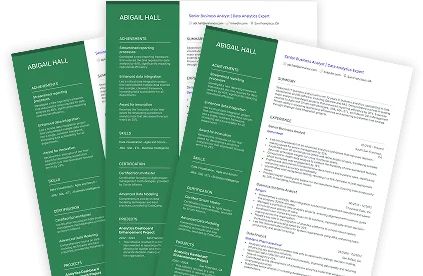
Your resume is still one of the most important parts of your professional identity.
Make sure your resume clearly communicates:
- Your professional experience
- Relevant skills
- Major achievements
- Education and certifications
- Important projects
- Industry knowledge
Avoid simply listing responsibilities. Whenever possible, explain the impact of your work.
For example:
Instead of:
Managed the company's website.
Try:
Managed and improved the company's website, increasing performance and improving the user experience.
Your resume should support the same professional identity that you communicate elsewhere.
3. Build an Online Portfolio
A resume tells people about your experience. A portfolio can show them what you have actually done.
A portfolio is particularly valuable for professionals such as:
- Developers
- Designers
- Writers
- Photographers
- Marketers
- Architects
- Video editors
- Consultants
Include your strongest projects rather than adding everything you have ever worked on.
For each project, explain:
What was the problem?
What did you do?
Which tools or skills did you use?
What was the result?
This turns a simple project gallery into evidence of your abilities.
4. Optimize Your LinkedIn Profile
Your LinkedIn profile is often one of the first places people look when they want to learn more about your professional background.
Make sure your profile includes:
- A professional photo
- A clear headline
- A useful About section
- Relevant experience
- Important skills
- Certifications
- Projects
- Portfolio links
Your headline should communicate more than your job title.
For example:
Laravel Developer | E-commerce & API Development | PHP | MySQL
This immediately tells visitors what you do and what you specialize in.
5. Share What You Know
You don't need to become a full-time content creator.
Start by sharing useful information related to your profession.
You could publish:
- Short tips
- Tutorials
- Lessons from your work
- Industry insights
- Project breakdowns
- Case studies
- Common mistakes
- Helpful resources
For example, a software developer could write:
"5 Common Laravel Performance Problems and How to Fix Them"
A marketing professional could write:
"What I Learned From Managing My First Google Ads Campaign"
The goal is not to show that you know everything. The goal is to demonstrate that you understand your field and can communicate what you know.
6. Be Consistent
Personal branding takes time.
You don't need to publish something every day. What matters more is consistency.
You might start with:
- One LinkedIn post per week
- One useful article per month
- Regular portfolio updates
- Occasional project case studies
A consistent presence is more sustainable than posting frequently for a few weeks and then disappearing.
7. Show Your Personality
Personal branding should not make you sound like a corporate robot.
People want to work with people.
Share experiences, lessons, challenges, and successes in a way that feels natural to you.
For example, instead of writing:
"Successfully completed project using Laravel."
You could explain:
"This project taught me an important lesson about API performance. We initially experienced slow response times, so I reviewed the database queries and introduced caching where appropriate."
The second version provides context and shows how you think.
8. Keep Your Online Presence Professional
Before applying for jobs or reaching out to clients, search for your own name online.
Look at what a recruiter or potential client might see.
Review:
- GitHub
- Personal website
- Portfolio
- Public social media profiles
- Published articles
You don't necessarily need to remove everything personal from the internet. However, make sure your public professional presence represents you appropriately.
9. Build a Personal Website
A personal website can bring your professional identity together in one place.
Your website could include:
- About me
- Resume
- Portfolio
- Skills
- Work experience
- Certifications
- Testimonials
- Blog
- Contact information
It also gives you more control over how your professional story is presented.
Instead of relying entirely on third-party platforms, you can create a central place where people can learn about your work.
10. Collect Recommendations and Testimonials
Positive feedback from colleagues, managers, clients, or customers can strengthen your professional credibility.
After completing successful projects, consider asking for a short testimonial.
A useful testimonial should explain what you did and what value you provided.
For example:
"Atif helped us improve our e-commerce platform and successfully integrated multiple payment and shipping APIs."
Specific feedback is generally more useful than a generic statement such as "Great person to work with."
Personal Branding Mistakes to Avoid
Building a personal brand does not mean constantly promoting yourself.
Avoid these common mistakes.
Trying to Be an Expert in Everything
You don't need to position yourself as an expert in every subject.
Choose a few areas where you have genuine experience and build your reputation around them.
Copying Other People's Content
Sharing useful content is fine, but constantly copying other people's ideas can make your brand feel generic.
Add your own experience, examples, or perspective.
Focusing Only on Self-Promotion
If every post is about your achievements, people may stop paying attention.
Instead, try to provide value.
Teach something. Share an experience. Answer a common question. Explain a problem you solved.
Being Inconsistent
An inactive profile can make your professional presence look outdated.
You don't need to post constantly, but keep your important information current.
Making Your Brand Too Complicated
You don't need a fancy logo, expensive website, or complicated strategy to start.
Your skills, work, knowledge, and consistency are more important.
Personal Branding for Different Career Stages
Your approach can change depending on where you are in your career.
Students and Fresh Graduates
Focus on:
- Projects
- Internships
- Coursework
- Certifications
- Skills
- Personal projects
- Learning progress
You may not have years of experience, but you can demonstrate what you are capable of building and learning.
Mid-Career Professionals
Focus on:
- Professional achievements
- Specialization
- Case studies
- Industry knowledge
- Leadership experience
- Measurable results
At this stage, your personal brand can demonstrate both expertise and experience.
Senior Professionals
Focus on:
- Leadership
- Strategic thinking
- Mentoring
- Industry contributions
- Major projects
- Speaking or publications
- Professional insights
Your experience can become a valuable source of knowledge for others.
A Simple Personal Branding Strategy
If you're not sure where to start, use this simple approach.
Step 1: Choose your professional focus.
Step 2: Update your resume.
Step 3: Improve your LinkedIn profile.
Step 4: Create or update your portfolio.
Step 5: Publish useful content related to your field.
Step 6: Connect with professionals in your industry.
Step 7: Collect genuine recommendations and testimonials.
Step 8: Review your online presence regularly.
You don't need to complete everything in one day. Build it gradually.
Final Thoughts
Personal branding is not about becoming an influencer. It is about making your professional skills, experience, and value easier for the right people to discover.
Your resume tells people where you've been. Your portfolio shows what you can do. Your professional content demonstrates what you know. Your personal brand brings these pieces together.
One of the easiest ways to bring your professional identity together is by creating your own online portfolio. With CTRLin, you can create a professional online portfolio to showcase your skills, experience, projects, achievements, and career journey in one place. Your portfolio can become a central part of your personal brand, giving recruiters, employers, clients, and professional connections an easy way to learn more about you and your work.
Start small, stay consistent, and focus on providing genuine value.
Over time, a clear and authentic professional presence can help you build credibility, expand your network, and discover new career opportunities.
Remember: your personal brand is built by what you consistently do not just by what you say about yourself.
Get Exclusive Updates & Resume Builder Features
Subscribe to our newsletter and stay ahead with the newest tools, design updates, and job-winning tips.